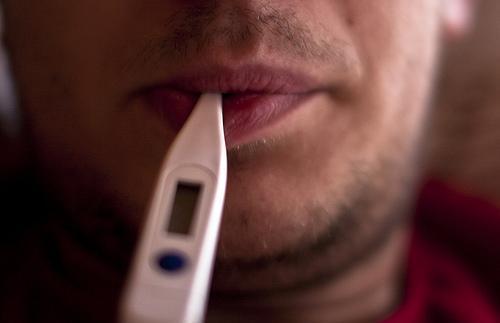
Is a Body Temperature of 39.4 to 39.5 to 39.6 Very High


Body temperature allows us to evaluate the efficiency of the thermal regulation that occurs in the human body through changes in the temperature of the environment and the intensity of activity. The peripheral temperature (skin, mucous membranes, muscles, limbs, etc.) can vary. The normal body temperature of a person varies depending on gender, recent activity, consumption of food and fluids, the time of day and, in women, the menstrual cycle phase they're on. In this article from OneHowTo.com we explain if body temperatures from 39.4 - 39.5 - 39.6 degrees C are normal or not.
High Body Temperature for Adults
It is considered a fever when an adult patient has an axillary temperature above 38 degrees Celsius, so having a body temperature from 39.4 - 39.5 - 39.6 means a high fever. Fevers should be seen as a defense mechanism of the body, responsible for warning us that something is happening so we can get in touch with our doctor.
The normal body temperature of a human adult varies between 36.5-37.5 degrees Celsius. Here are the general rules: - Hypothermia, when the temperature is less than 36 degrees. - Fever, when the temperature is between 37.1 to 37.9 degrees. - Hyperthermia or high fever, when the temperature is 38 degrees or more.
It should be noted that a high fever in adults can lead to symptoms like shivering, headache, and muscle aches. In severe cases, it may also cause confusion and dehydration, emphasizing the importance of medical consultation.
High Body Temperature for Children
A body temperature from 39.4 - 39.5 - 39.6 in children is very high, so it's crucial to take prompt action and contact your doctor. Children should have a maximum temperature of 37.5 up to 3 years old, and around 37 until 6 years old.
Furthermore, it's important to observe for additional symptoms in children such as lethargy, irritability, or dehydration. Ensuring they are kept cool and hydrated can be essential in managing a fever.
What Axillary Body Temperature is a High Fever
It is considered a fever when the patient has an axillary temperature above 38 degrees Celsius, so having a body temperature from 39.4 - 39.5 - 39.6 means a high fever.
Axillary measurements are generally considered less accurate than oral or rectal readings. Therefore, if a high fever persists, it may be advisable to use a more precise method of temperature measurement to confirm the fever.
What Oral Temperature is a High Fever?
It's considered a fever if the patient has an oral temperature greater than 38 degrees Celsius, therefore a body temperature from 39.4 - 39.5 to 39.6 means a high fever.
Oral temperature should be measured in all patients, except when they are unconscious, have mental confusion, seizures, nasal, mouth or throat disorders, and if they are children under 6 years old.
In addition to high body temperature, patients may experience symptoms such as dry mouth, increased heart rate, and general fatigue. Monitoring these symptoms can help in determining the severity of the fever.
What Rectal Temperature is considered a High Fever?
It's considered a fever if the patient has a rectal temperature over 38.5 degrees Celsius, so a body temperature from 39.4 - 39.5 to 39.6 means a high fever.
The result tends to be 0.5 to 0.7 degrees greater than the oral temperature. Taking the rectal temperature is recommended for patients under 6 years old.
Rectal temperature is often considered the most accurate reflection of core body temperature. However, it should be performed carefully to avoid discomfort or injury, especially in young children.
How Body Temperature Works
There are several factors that affect body temperature that can change temperature by a few decimals, but having a body temperature below 35 degrees is cause for concern. Factors such as the physique of the individual (especially if they are obese), their age (worse for the elderly) and those already bed-bound by illness. Other external factors that may make someone hot: Environmental adaptation or acclimatization; the degree of atmospheric humidity: More humidity makes it harder absorbing the sweat produced; clothing: dark and thick clothing is worse. Having diseases that hinder sweating: diabetes, heart, lung and kidney impairments. Diseases associated with increased heat production: infections, hyperthyroidism and those that accompany fever. Consumption of certain sedatives, amphetamines and antidepressants. Psychopathy and states of acute or chronic alcoholism or that decrease tolerance to heat.
Understanding these factors is crucial in managing body temperature effectively. For instance, ensuring adequate hydration and wearing breathable fabrics can assist in regulating body heat.
You may also want to take a look at our related articles depending on what your body temperature is:
This article is merely informative, oneHOWTO does not have the authority to prescribe any medical treatments or create a diagnosis. We invite you to visit your doctor if you have any type of condition or pain.
If you want to read similar articles to Is a Body Temperature of 39.4 to 39.5 to 39.6 Very High, we recommend you visit our Diseases & secondary effects category.
Tips
- Axillary temperature should be taken with a thermometer in the above recommended area for a period of approximately 4 (four) minutes. It is important to ensure the thermometer is properly placed and the patient remains still during the measurement for an accurate reading.