How To Treat A Bruised Nail


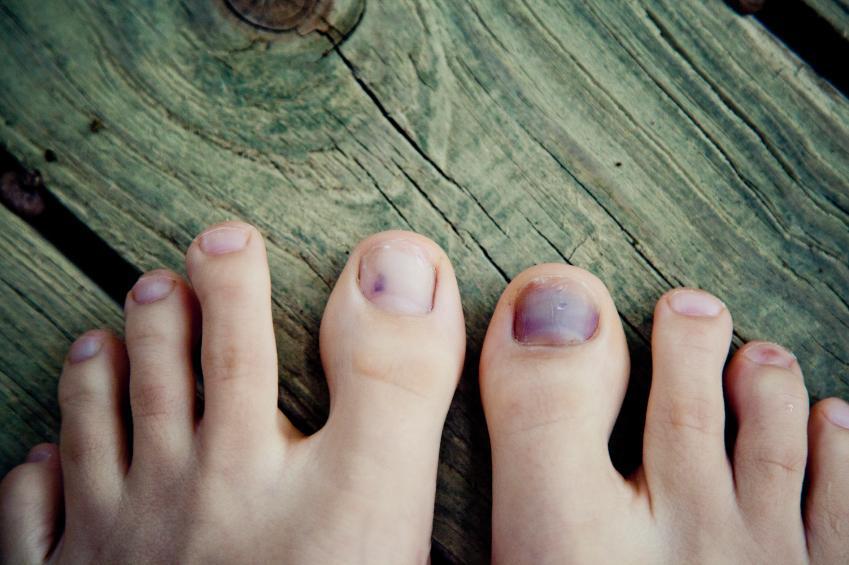
Bruised nails usually occur after a major trauma to the fingers or toes, but these can also be found on the toes of middle and long-distance runners who, due to constant micro trauma, eventually suffer from bleeding under the nails. This is both an unsightly and annoying condition; if not attended to in time, it can lead to the loss of the nail, which will fall off when a new nail starts to grow beneath. If you want to know how to treat a bruised nail and get the bruising to disappear, read on, because next in OneHowTo we explain all.
Steps to follow:
A bruised nail is the product of trauma to the area. This can be produced by a blow, the fall of a heavy object, or the constant repetition of the same small impact in the area, something that happens often among runners.
In the event that the bruised nail is on the foot and that this is not due to banging it, this may have occurred due to:
- Using the wrong footwear that is very tight at the top, which creates pressure on the affected nail.
- Having very long toenails or having a deformity in them, which increases the probability of small impacts generating traumas.
- For runners, it is a common condition in people who often run downhill.
It should be noted that bruised nails can sometimes be a sign of underlying issues, such as fungal infections or nutritional deficiencies, which might need separate treatment. Thus, it is important to observe any additional symptoms or changes in nail appearance.
When there has not been a bang, you should identify the cause of the trauma to make some changes in the choice and use of shoes or the type of running routes you follow in order to prevent further bruising from occurring. When treating a bruised nail, it is important to act fast. After the first 3 days, it will no longer be possible to drain accumulated blood in the area, so the nail will stay black until it grows out or a new nail starts to grow.
Similarly, ensuring proper nail hygiene and regularly trimming toenails can help prevent future incidents. Wearing well-fitted, breathable footwear during physical activities can further protect against trauma. For example, choosing shoes with adequate toe room can significantly reduce the risk of repetitive impacts.
Once we notice that the nail has begun to bruise, we must drain the accumulated blood in the area to prevent it from blackening. The first thing to know is that this is a painless procedure. However, you must do it very carefully for best results. There are two ways to do this. You can use a clip or a new syringe needle, and we will explain both procedures.
To drain a bruised nail with a water syringe, you will need:
- Alcohol, iodine, or another liquid to disinfect.
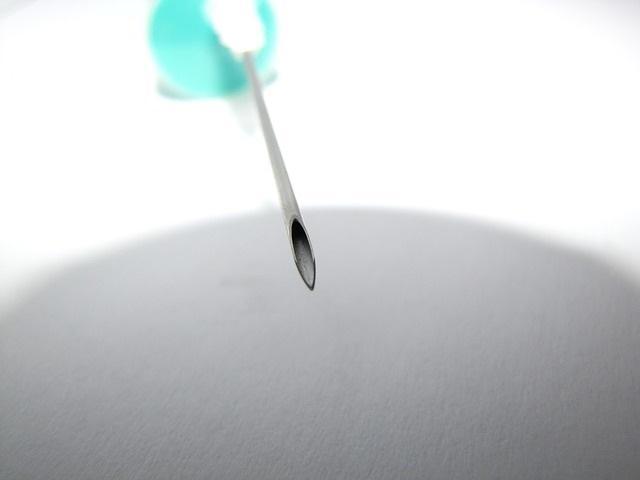
- A new syringe.
First, apply with cotton wool and some alcohol or iodine to disinfect the area, then take the needle and very carefully and slowly bury it in the center of the bruised area of the nail. The idea is to open a hole in the nail to allow the blood to drain; it is a painless procedure that should not touch the skin beneath.
Once you open the small hole, the blood will start to drain. Let it do so completely, and then disinfect and cover it with a gauze dressing. It is advisable to monitor the area for signs of infection, such as redness or increased swelling.

If you opt for a clip to treat the bruising, you will need:
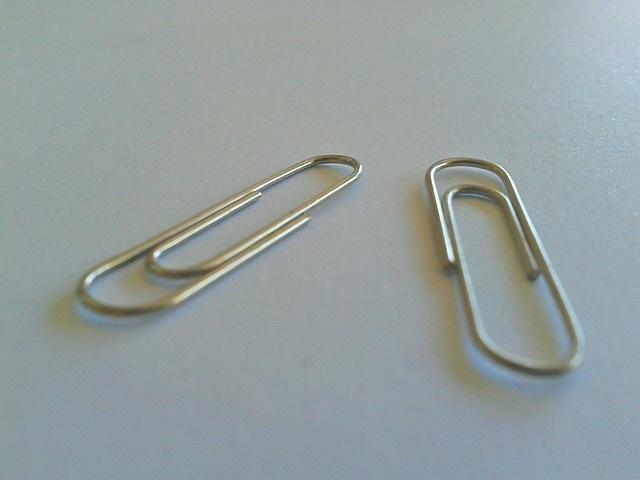
- A straightened paper clip
- A lighter
- Alcohol or iodine
First, disinfect the area by applying alcohol or iodine on the nail with cotton wool, then you should take the pre-stretched clip and heat the tip with the lighter. When it is glowing red, place it directly on the nail, in the center of the bruised area. You must repeat this process as many times as necessary until a gap opens in the nail and the blood begins to drain. Once drained and disinfected, apply a bandage.
It is crucial to exercise caution during this procedure to prevent burns or further injury. Using sterilized tools and maintaining hygiene can help minimize risks.

To reduce the pain produced by the trauma that caused the bruised nail, you can take painkillers such as ibuprofen. Call your doctor if:
- The impact or bang has caused sharp pain in the finger.
- If you have serious difficulty moving your finger or cannot feel it.
- If after three days after the bang you still feel strong pain.
Consulting a healthcare professional is also recommended if there is persistent pain or if the nail does not heal as expected. They can provide additional treatments or evaluate for any complications. In some cases, an X-ray may be necessary to rule out fractures.
This article is merely informative, oneHOWTO does not have the authority to prescribe any medical treatments or create a diagnosis. We invite you to visit your doctor if you have any type of condition or pain.
If you want to read similar articles to How To Treat A Bruised Nail, we recommend you visit our Diseases & secondary effects category.