What not to Eat with Diverticulitis


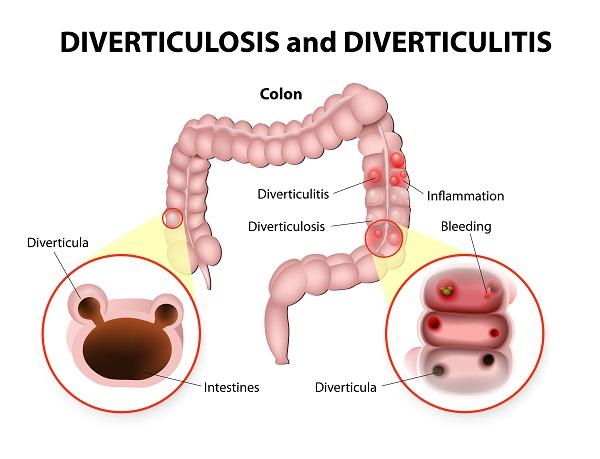
Diverticulitis is a serious medical condition that occurs when bulging pouches called diverticula in your digestive system become infected due to weak spots in your intestinal wall. Mild cases of the condition can be treated with the help of antibiotics, but you will need to follow a diverticulitis diet as well. Although this diet cannot prevent or treat the condition, its purpose is to give some rest to your digestive tract. If you have been diagnosed with diverticulitis, your doctor will give you a long list of foods that you should avoid. In this oneHOWTO article, we are going to tell you what not to eat with diverticulitis.
Certain fruits and vegetables
Avoid fruits and vegetables that contain seeds with tiny particles, as they may lodge in your diverticula and trigger inflammation. Such fruits and vegetables include kiwi, tomatoes, cucumber, blackberries, strawberries, okra, eggplant, red and green peppers, etc.
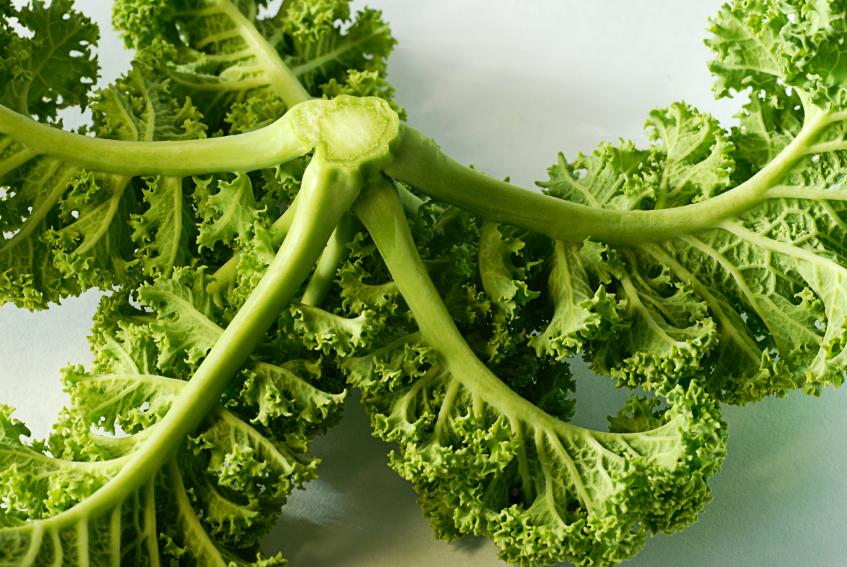
Avoid vegetables belonging to the cruciferous family, like Brussels sprouts, cauliflower, swiss chard, kale, and cabbage. Also avoid veggies like carrots, potatoes, iceberg lettuce, beets, squash, zucchini, and celery. In contrast, opting for well-cooked or peeled varieties can sometimes offer a gentler alternative for the digestive system.

Seeds and nuts
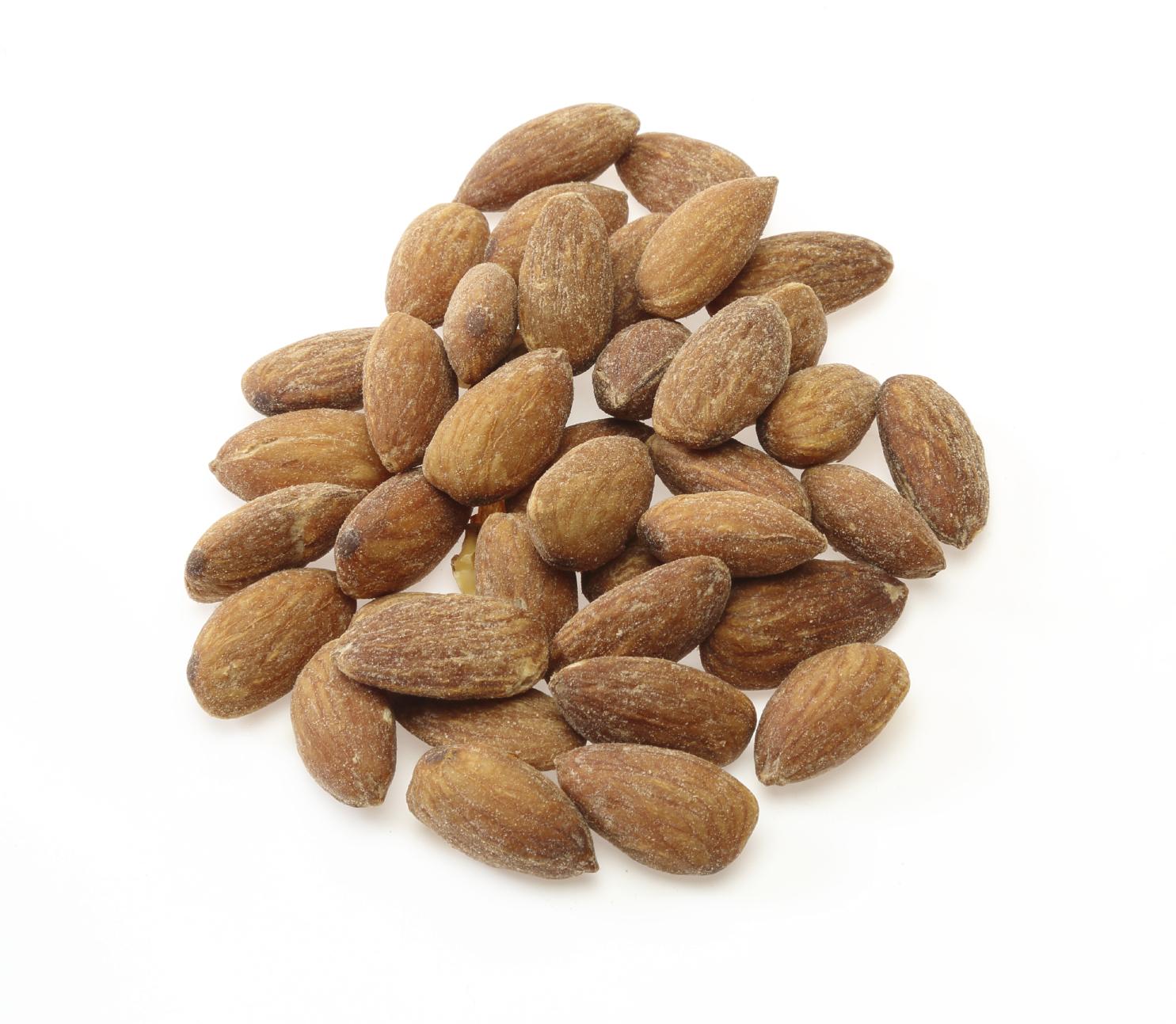
Seeds and nuts may cause irritation in your colon and lead to pain, which is why you should not eat them with diverticulitis. Try to avoid them as much as possible. Some nuts include peanuts, pistachios, cashews, and almonds, as well as seeds such as those of sunflower, pumpkin, caraway, and sesame. Dried fruits like berries and raisins should also be avoided, as they are difficult to digest, cause pain, and can create the feeling of food stuck in your throat. Additionally, these foods can sometimes exacerbate symptoms due to their fibrous content, making them less ideal during a flare-up.

Grain foods
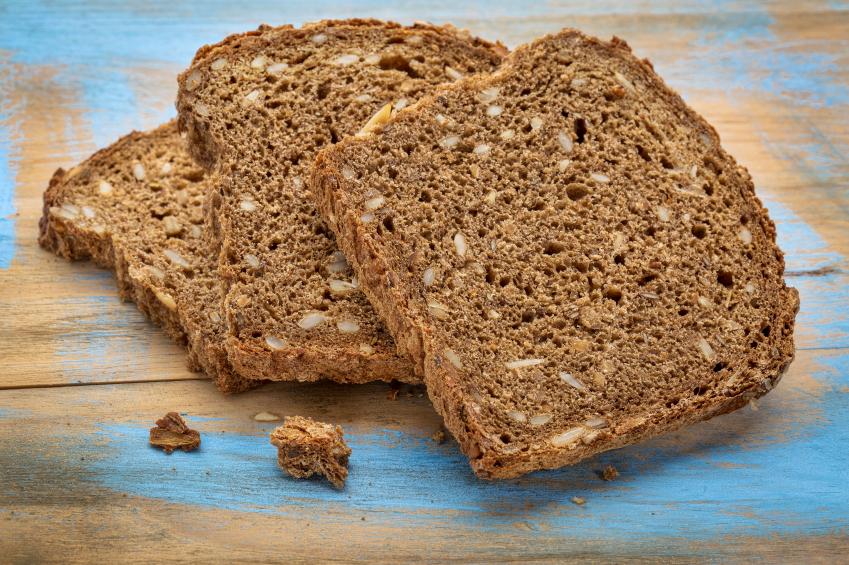
Grains have residues that may keep lingering in your stomach and cause inflammation. So, it is best to avoid any grains and related products like pastas and breads. Instead, during a diverticulitis flare-up, sticking to refined grain options such as white rice or plain crackers might be less irritating. Moreover, gradual reintroduction of fiber is crucial once symptoms improve to maintain overall digestive health.

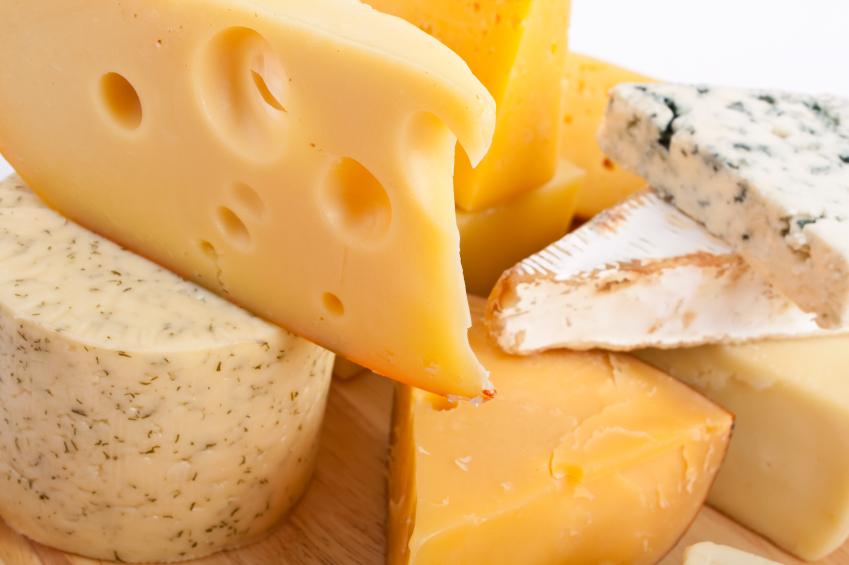
Cheese and milk
Whipped cream, non-dairy coffee creamers, and whole milk are some of the foods to avoid with diverticulitis. Whipped cream may contain palm oil or coconut oil which is not good for your digestive system. Instead, you can use low-fat yogurt and skimmed milk. Also try to limit using cheddar cheese, cream cheese, cottage cheese, butter, margarine, etc. Patients with diverticulitis digest and tolerate most dairy products easily, but it is better to discuss their consumption with your doctor. Dairy products can sometimes contribute to bloating, which might exacerbate discomfort during a diverticulitis episode.

Other foods to avoid with diverticulitis
In addition to these, here is a list of some other foods to avoid with diverticulitis:
- Avoid sodas and sugary foods, as they may cause bloating and gas and aggravate the symptoms of diverticulitis. Opting for water or herbal teas can be a gentler choice for hydration.
- Do not eat highly acidic foods, as they may make the condition worse, such as citrus fruits like lemon and tomatoes.
- Refined foods should be avoided, like all-purpose flour, pastries, ice cream, pizza, puffs, pretzels, sponge cake, doughnuts, canned juice, chocolates, artificial sweeteners, muffins, white sugar, cream pies, etc. Focusing on whole, unprocessed foods when symptoms subside can support better digestive health in the long term.
- Avoid fatty and fried foods like fast foods, French fries, fried tacos, fried chicken, and processed foods. Instead, go for deep-fried, boiled, and sautéed foods. This helps in reducing the strain on your digestive system.
- Alcohol may cause colon irritation, so you should keep it in limits. Smoking may irritate your gastric mucosa, so it is better to avoid it too. Moreover, these lifestyle changes can contribute to overall well-being and reduce the frequency of diverticulitis flare-ups.
This article is merely informative, oneHOWTO does not have the authority to prescribe any medical treatments or create a diagnosis. We invite you to visit your doctor if you have any type of condition or pain.
If you want to read similar articles to What not to Eat with Diverticulitis, we recommend you visit our Diseases & secondary effects category.
- Eating, Diet, & Nutrition for Diverticular Disease (National Institute of Diabetes and Digestive and Kidney Diseases)
- Diverticulitis: Can certain foods trigger an attack? (Mayo Clinic)