How to Prevent a Stye When You Feel it Coming


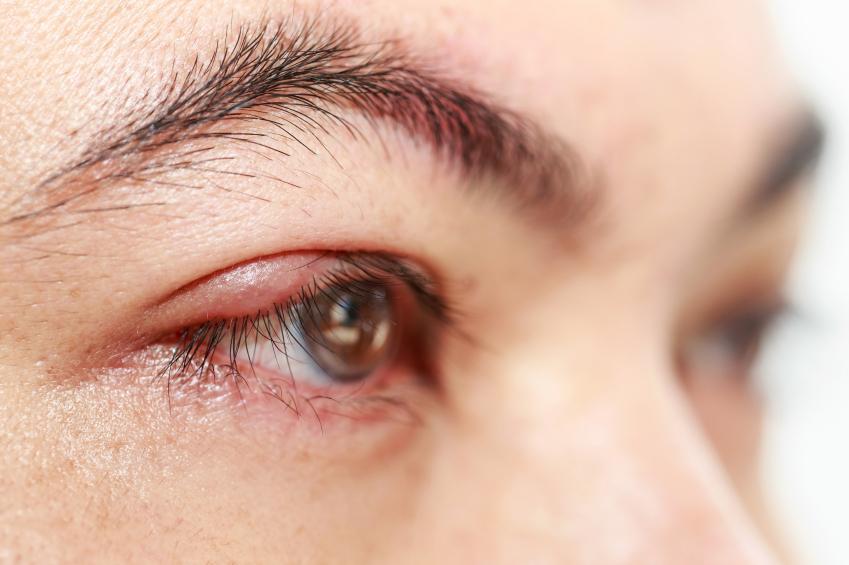
A stye is a bacterial infection that causes the appearance of a painful lump on a lower or upper eyelid. It's not a serious condition, but it is very common, especially in children, although anyone can get one.
Because it's a bacterial infection, certain measures can be taken into consideration to help prevent styes and look after your eye health, especially if someone close has recently developed one of these lumps. This OneHowTo article explains how to prevent a stye by following some basic recommendations.
Steps to follow:
The most common cause of styes is a staphylococcal infection, which usually occurs when you have a habit of constantly touching your eyes with dirty hands. Although staphylococci live on your skin, when they multiply excessively they may cause serious infections, so controlling certain habits and maintaining hygiene are essential.
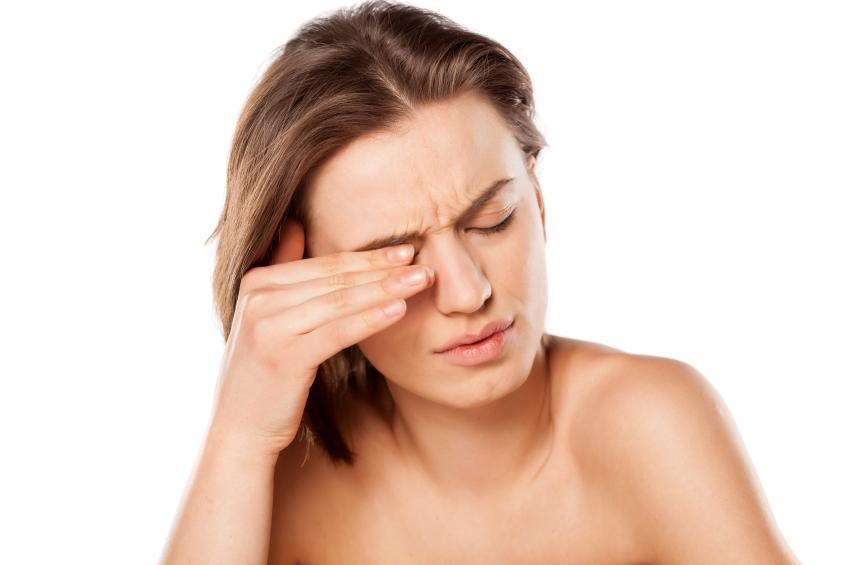
In this way, the first recommendation for preventing a stye is to avoid rubbing your eyes with your hands, especially if they are not clean. This practice can also lead to bacterial conjunctivitis, which is another reason to learn to control it. If you notice early tenderness or redness, avoid rubbing or squeezing the eyelid, as this can irritate the area and transfer bacteria.

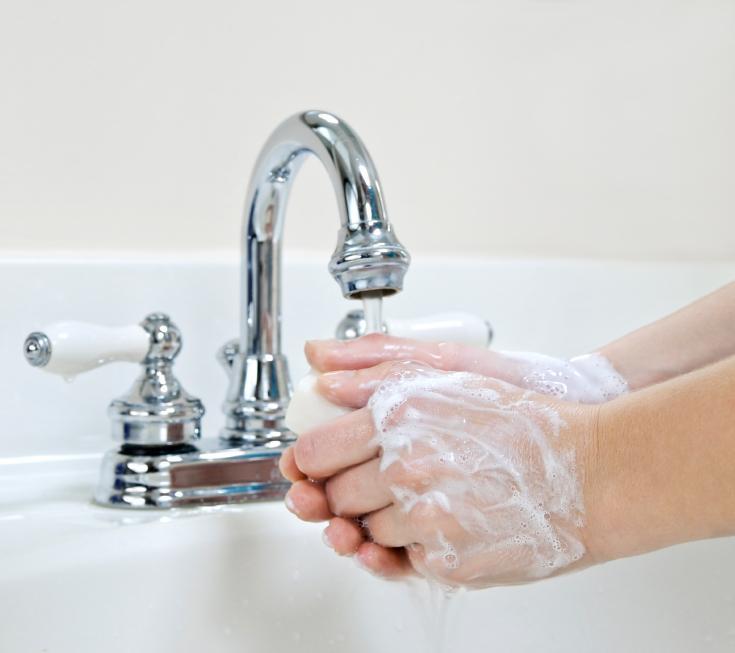
Keeping hands clean is key to reducing the likelihood of bacterial infections of any kind, including eye infections. You touch your face or grab food with your hands, but you also use them to handle objects that may carry bacteria, such as currency, or after using the toilet. The only way to reduce the presence of microorganisms is by frequently washing your hands with soap and water for at least 30 seconds. Dry them with a clean towel afterward, especially before touching your eyes or handling contact lenses.

One of the key ways of preventing the spread of infection is to get into the habit of not sharing personal items. In the case of styes, it is really important to avoid sharing all those items that can be close to your eyes, such as towels, glasses or lenses, eye drops, makeup and cosmetics, and even scarves and handkerchiefs. This measure is especially recommended if someone at home has a stye. Although a stye itself is not usually contagious, the bacteria that cause it can spread through shared items or unwashed hands, so these precautions are still important.

This condition can also occur when the sebaceous glands of the eyelids become clogged due to an accumulation of grease or dirt. Another recommendation for preventing a stye is to properly clean your face, especially if you have oily skin and acne.
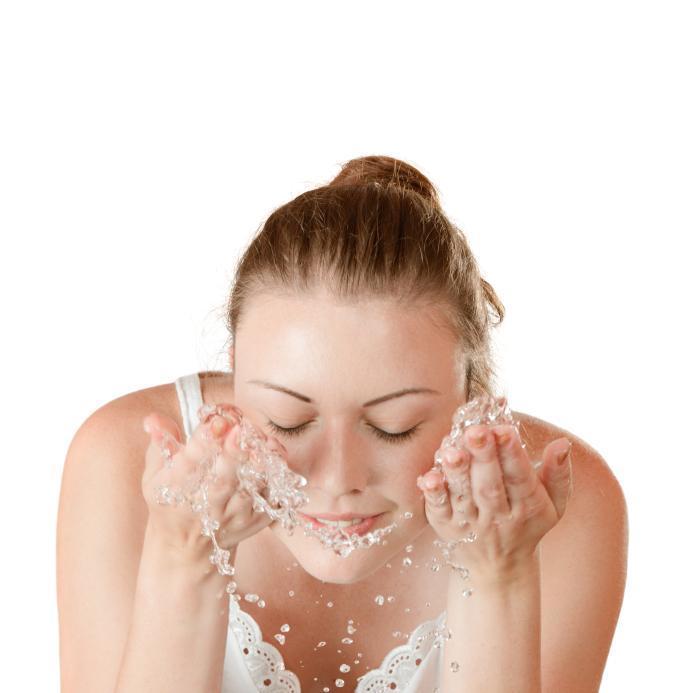
This type of skin is more prone to grease accumulating in the eyelid area, which increases the possibility of suffering from this condition. Gently wash your face and eyelids as part of your usual routine, taking care not to get cleanser in your eyes. If you have oily skin, our article about how to clean oily skin explains how to keep it perfect.

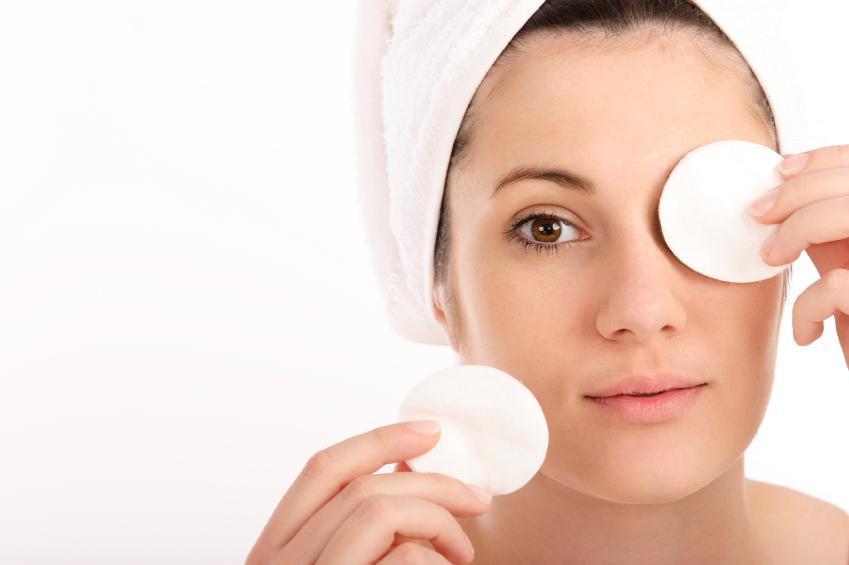
It is critical for anyone wearing eye makeup to always remove it before going to bed. If makeup is not properly removed from this sensitive area, cosmetics can accumulate in the glands of the eyelids, causing a stye or eye infection over time.
It is also important to use a product suitable for the eye area. If you don't have one, you can opt for a natural alternative. Replace old eye makeup and avoid sharing it, particularly if you have an eye infection, to reduce the chance of transferring bacteria.

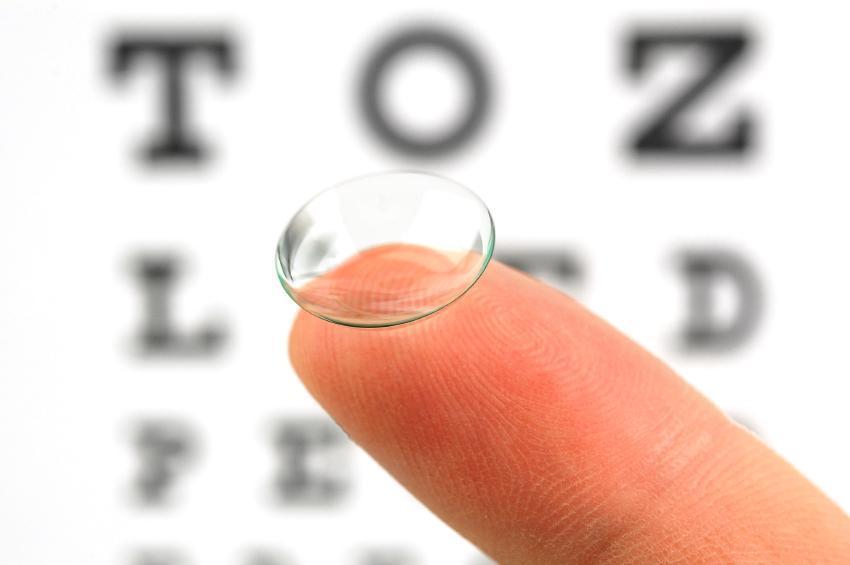
If you wear contact lenses, you need to follow basic hygiene rules when handling them. To start with, they should always be in a suitable solution to keep them sterilised. At the same time, you should only use them for the time indicated by the manufacturer, i.e. if the contact lenses are suitable for wear during 1 day, 1 month or 6 months, don't exceed their use.
You shouldn't wear them for too many hours a day either, as this may cause irritation and eye discomfort. Last but not least, you should always wash your hands thoroughly before inserting contact lenses or taking them out, as this will make a difference in preventing a stye and all types of eye infections. Keep the lens case clean, replace it regularly, and follow the care instructions for your lenses to help prevent bacteria from building up.

What should you do when a stye has already appeared? OneHowTo has several solutions in order to make this lump disappear as soon as possible, so we invite you to read our articles:
This article is merely informative, oneHOWTO does not have the authority to prescribe any medical treatments or create a diagnosis. We invite you to visit your doctor if you have any type of condition or pain.
If you want to read similar articles to How to Prevent a Stye When You Feel it Coming, we recommend you visit our Diseases & secondary effects category.
- Stye (sty) - Symptoms & causes (Mayo Clinic)
- Stye (American Academy of Ophthalmology)
- Stye (Moorfields Eye Hospital NHS Foundation Trust)